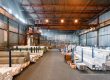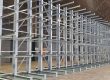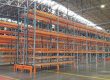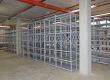
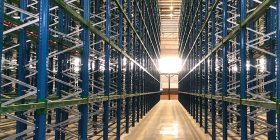

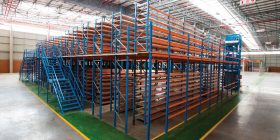


When comparing selective pallet vs. pick face racking, accessibility is a crucial determining factor. Selective pallet systems offer the ability to access any pallet without the need to move others first, a major advantage for rapidly moving stock. Conversely, pick face racking places frequently picked items closer to the front for convenience. While this approach aids speed, it is not optimal for bulk storage. Knowing the differences between selective pallet and pick face racking can help determine which system is most compatible with your daily stock flow and space constraints.
SKU Management: Clearing the Deck With Selective Pallet Racking
Selective pallet racking offers intuitive solutions for those managing a vast range of product types. Each pallet has its designated space and can be accessed immediately, simplifying the management of multiple SKUs. Meanwhile, pick face racking prioritises quick-pick access to high-turn items stored in smaller units. Suitable for retail or e-commerce sectors, pick face racking may not provide the same flexibility for deep storage requirements as selective pallet racking. Exploring these differences can highlight why selective pallet racking is often the preferred choice for warehouses handling a wide range of products.
Real Operations: Functionality of Different Storage Racking Options
Selective pallet and pick face racking show distinct differences in operational performance. Selective pallet systems cater to operations that follow the First-In, First-Out tracking method, requiring consistent stock rotation such as in the food and retail industries. These systems are also easier to install and maintain, saving both time and cost. In contrast, pick face systems are ideal for environments where order-picking speed is the priority, but they may require more specialised layouts. Understanding these differences can assist warehouses in striking a balance between item accessibility and operational speed.
Choosing Between Selective Pallet and Pick Face Racking
The choice between selective pallet and pick face racking depends on your warehouse’s specific needs—whether it’s adaptability or picking speed. If your operations require a high SKU variety and easy access, selective pallet racking might be the best option. However, if item picking, particularly in smaller quantities, is a priority, pick face racking could offer an advantage. It becomes easier to identify a system that truly fits your warehouse’s needs and objectives by examining the differences between selective pallet and pick face racking.
Understanding Order Picking
When aiming to boost productivity without adding square footage, recognising the difference between selective pallet and pick face racking is pivotal.
- Selective Pallet Racking: Provides easy access to all pallets, making it a fit for storing various product types.
- Pick Face Racking: Keeps fast-selling items at the front and center, ready for quick retrieval.
Understanding these two options makes a significant difference for businesses managing lots of daily orders.
Comparing Pallet Racking in Fast-Paced Settings
Both systems are tailor-made for specific work flows.
- Selective Pallet Racking: This works best for storing a wide array of pallets that require tracking and rotation. Usually, forklifts retrieve full pallets from shelves.
- Pick Face Racking: It is most beneficial when dealing with frequent orders of smaller sizes, for instance, in e-commerce or retail. The products are easily accessible, allowing staff to quickly collect items without overusing equipment or navigating deep aisles.
Efficiency Differences
Efficiency varies when comparing both setups:
- Selective Pallet Racking: One of its prime benefits is access – every pallet can be picked individually, ideal for businesses requiring stock rotation like food or pharmaceuticals. The downside is that it consumes more aisle space.
- Pick Face Racking: On the other hand, focuses on speed. Workers can swiftly grab items from the front of the rack without walking long distances, reducing strain and increasing output in high-turnover areas.
Making the Right Choice
The choice between the two depends on order volume, turnaround time, and different items you store.
- Selective Pallet Racking: Best for picking full pallets of mixed goods, offering maximum flexibility.
- Pick Face Racking: If you have staff picking multiple small orders every hour, this builds the flow you need to stay efficient.
Each option brings its own benefits depending on your inventory flow.
As a top pick face and selective pallet racking supplier, Krost designs systems tailored to both approaches, ensuring seamless integration with your pace, space, and growth goals. Our expert team can guide you in matching the right setup to your requirements, whether you’re analysing selective pallet differences or interested in pick face racking differences.
The Best One for Your Needs?
When weighing up selective pallet vs. pick face racking, it’s really about how your team works and what your stock demands. If you’re moving full pallets and need direct access to different product types, selective pallet racking is a smart go-to. It keeps every pallet within reach, making it ideal for businesses juggling a broad range of stock that needs to be managed and rotated easily.
But if order speed is your priority — like in online retail or busy dispatch zones — you’ll probably get more from pick face racking. This setup places high-demand items right at the front, so workers do less walking and more picking. That means quicker packing, happy customers, and fewer picking errors.
Selective Pallet vs. Pick Face Racking Key Performance Differences
Understanding the key selective pallet differences and pick face racking differences helps in setting up a system that actually works for your operation — not just looks good on paper. Selective racking creates clean, straightforward rows that are easy to navigate and simple to load or offload. It’s lower in cost to install and adapt, especially for everyday warehousing needs.
On the flip side, pick face racking is all about speed and flow. Products are picked by hand more often, so they’re positioned where it makes the most sense for rapid handling. That might mean increased planning up front, but the payoff comes in daily efficiency.
Blending Selective and Catwalk Racking in One Setup
Some businesses find the best results by blending both systems. You get the structure and accessibility from selective pallet racking while using pick face racking zones for high-volume or time-sensitive products. It’s a great way to make the most of your floor space while boosting fulfilment times.
Knowing the selective pallet differences compared to pick face racking differences gives you the insight to build a system that supports your goals — whether that’s saving space, speeding up order handling, or cutting down on errors. Krost can work with you to design layouts that combine the strength of both approaches, creating a flow that fits your warehouse and your team.
Take Your Storage Solutions to the Next Level
Ready to optimise your warehouse efficiency with a racking system tailored to your unique needs? Whether you’re leaning towards the accessibility of selective pallet racking or the speed of pick face racking, expert advice can make all the difference. At Krost Shelving & Racking, our experienced team is prepared to help you identify the perfect solution that matches your operational goals and space constraints. Elevate your storage strategy and maximise productivity today—get in touch with us and let’s begin crafting your ideal racking setup.