
Drive-Through vs. Pallet Shuttle Racking: How They Operate
Understanding the core function of drive-through vs. pallet shuttle racking can make all the difference when planning your storage space. These two systems might look similar at first glance, but the way they handle pallets and space is quite different.
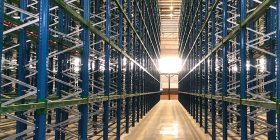
With drive-through racking, forklifts enter from both ends of the aisle. Teams use this method to load pallets from one side and remove them from the other, making it perfect for First-In, First-Out stock control. It’s a manual system, so operators drive directly into the lanes to load or retrieve pallets, then reverse out.
Pallet shuttle racking, however, relies on a motorised shuttle that runs on rails built inside the racking. The shuttle automatically moves pallets to their position, controlled by a remote or warehouse software. This automation supports both FIFO and Last-In, First-Out, depending on how your system is set up.
Key Drive-Through vs. Pallet Shuttle Racking Differences
The biggest drive-through racking differences come down to simplicity and cost-efficiency. There’s no automation or fancy setups—it’s hands-on and easy to manage. However, it does mean that forklifts are driving inside the racks, which increases the risk of damage and limits the depth of the storage lanes.
When looking at pallet shuttle racking differences, automation stands out. Forklifts stay out of the racking, so lanes can be much deeper. That means you can increase capacity without needing expansion. Plus, fewer forklifts are needed for the same job, cutting labour and improving safety.
Storage Space with Drive-Through vs. Pallet Shuttle Racking
Both drive-through and pallet shuttle racking aim to reduce waste in space. Drive-through systems remove extra aisles, but their depth depends on how far a forklift can safely drive. Pallet shuttle racking removes that barrier. Since forklifts don’t enter the structure, the racking can go much deeper, ideal for keeping high-volume products in bulk.
Also, because the shuttle handles all movement within the rack, businesses gain back more floor area, and even stack racks higher. For chilled or frozen settings, this can lead to significant savings on energy by packing more goods into a smaller space.
Learn more about storage for chilled environments by reading Best Cold Room Shelving for Warehouses.
Choosing the Right Fit: Drive-Through vs. Pallet Shuttle Racking
If you need a reliable system on a budget and your goods rotate in a FIFO pattern, drive-through racking delivers great value. It’s straightforward, tough, and gets the job done. However, if your operations need a mix of speed, safety, and flexibility, pallet shuttle racking may give you a better long-term return.
You’ll have a better sense of what system fits your workflow and space requirements best by clearly weighing the drive-through racking differences and the pallet shuttle racking differences.
Drive-Through vs. Pallet Shuttle Racking: Key Storage Differences
Comparing drive-through and pallet shuttle racking is a key step when deciding on your storage setup. Each system has its unique advantages, and understanding their specific differences can help you make an optimal choice for your business.
Drive-Through Racking
A drive-through racking system is characterised by its simple design, which allows forklifts to move freely through the structure from either end. This supports a basic First-In, First-Out (FIFO) inventory strategy. Among its benefits:
- Cost-effectiveness as it doesn’t require power or automation
- Ideal for operations with low to moderate pallet turnover
Pallet Shuttle Racking
On the other hand, pallet shuttle racking employs motorised shuttles to move pallets in and out of the racks, eliminating the need for forklifts within the racking structure. This system showcases:
- Deeper storage capabilities
- Enhanced safety measures
- Faster handling of goods making it suitable for busier operations
Drive-Through vs. Pallet Shuttle Racking: Inventory Movement
The two systems differ notably when it comes to inventory movement.
Forklift-Dependent-Drive-Through
Pallets are stored in lanes that require forklifts to drive into the racking structure for drive-through racks, which can increase the probability of potential damage. This setup works best when:
- Pallet turnover is moderate
- There’s no need for immediate access to specific loads
Remote-Controlled Shuttle
The pallet shuttle racking system, however, offers more control as it employs a remote-controlled shuttle that moves along rails. This allows:
- Goods can to be loaded or retrieved from any access point
- Minimal risk of rack damage
- Compatibility with both FIFO and LIFO
Drive-Through vs. Pallet Shuttle Racking: Efficiency Comparison
A pivotal factor when choosing between drive-through and pallet shuttle racking is their differing levels of efficiency.
Drive-Through: Low-Cost Efficiency
Drive-through racking can be efficient when managing large volumes with a restrained budget. Its straightforward design minimises training needs.
Pallet Shuttle: High-Speed Efficiency
Pallet shuttle racking can warrant its initial investment with the operational time it saves with its tech-enabled feature that speeds up movement and optimises warehouse space by eliminating forklift aisles.
Drive-Through vs. Pallet Shuttle Racking: Making Your Decision
Deciding between drive-through versus pallet shuttle racking will depend on your operational scale, frequency of stock movement, and budget constraints. In essence:
- Drive-through racking if your focus is low-cost, simple, dense storage, and stable rotations
- Pallet shuttle racking if you’re looking for high speed, high volume operations and are ready to invest in technology to boost warehouse efficiency
Remember: both systems work well, it’s about selecting the one that aligns best with your logistical requirements and goals.
Drive-Through vs. Pallet Shuttle Racking: Which Fits Your Warehouse?
Knowing the key points about drive-through vs. pallet shuttle racking is your first step in choosing the right system. If your warehouse deals with fast-moving or perishable goods, the differences between these systems can impact both productivity and long-term costs. Drive-through racks allow forklifts to access pallets from both ends, which makes them perfect for first-in, first-out (FIFO) stock rotation. It’s a more traditional setup, often preferred in food-grade or cold storage environments. Meanwhile, pallet shuttle racking uses an automated shuttle to handle pallets, making it a better choice for warehouses needing speed, control, and safer operations.
Drive-Through vs. Pallet Shuttle Racking: Key Operational Differences
The drive-through racking differences lie in its simplicity and low upfront cost. Since there are no moving parts apart from what your forklift controls, it’s affordable to install and maintain. But pallet shuttle racking differences set it apart through automation and increased flexibility. Shuttles carry loads deeper into storage lanes without forklift operators entering the rack structure, lowering the risk of collisions and damage. This automation means safer working conditions and fewer hands needed for moving stock, excellent for warehouses aiming to scale up or reduce labour costs over time.
Space & Safety in Drive-Through vs. Pallet Shuttle Racking
Space usage and safety come up as major factors when comparing drive-through vs. pallet shuttle racking. Drive-through racking structures occupy less vertical space and are easier to integrate into existing floor layouts. But their design comes with increased warehousing traffic, as forklifts must enter and turn inside the system, which can increase the chance of accidents or rack damage. Conversely, pallet shuttle racking creates cleaner aisles and allows for taller storage setups. Since operators stay outside the rack area, it helps limit workplace injuries and can accommodate both FIFO and LIFO systems, depending on your shuttle setup.
Drive-Through vs. Pallet Shuttle Racking: Thinking Long-Term
If you’re comparing drive-through vs. pallet shuttle racking for cost and future needs, consider your growth plans. Drive-through racking is budget-friendly upfront and suits operations with simpler inventory flow. However, when your warehouse demands higher output and safety, pallet shuttle racking delivers. It may cost more in the beginning, but it pays off by lessening labour hours and speeding up stock handling. Depending on your workload, these pallet shuttle racking differences can translate into long-term savings and fewer delays. Similarly, drive-through racking differences could benefit smaller businesses or those not yet ready for automation.
Choosing Drive-Through vs. Pallet Shuttle Racking Based on Use
Your warehouse layout, the type of inventory you manage, and the speed of stock movement all play a role. Those running seasonal or time-sensitive inventory can go with drive-through systems for FIFO flow and cost control. But if you need maximised output with fewer risks, you may find pallet shuttle racking differences more aligned with your goals. Every warehouse is unique, and your choice between drive-through vs. pallet shuttle racking should be based on real operational factors, not just pricing.
Take the Next Step in Optimising Your Warehouse Storage
Choosing the optimal racking system for your warehouse is crucial. It’s about storage and alignment with your business’s operational goals, safety standards, and future growth. The decision impacts everything from daily workflows to long-term profitability, whether you lean towards the cost-effective, straightforward approach of drive-through racking or are swayed by the speed, efficiency, and scalability of pallet shuttle racking, .
Navigating these choices shouldn’t be done in isolation. Partner with industry experts to ensure you’re making the most informed decision. To explore tailored solutions and see how Krost Shelving & Racking can revolutionise your storage space, connect with our team today. Transform your warehouse into a powerhouse of productivity and safety.