
Selective Pallet vs. Push-Back Racking: Which One Works for You?
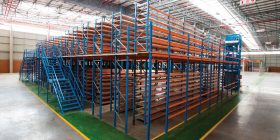
It’s all about how you manage your space and stock when comparing selective pallet vs. push-back racking. If your warehouse handles many different products and needs easy access to each, selective pallet racking is a straightforward choice. It lets you reach any pallet directly without moving others around. This setup keeps daily handling fast and simple, ideal if you rotate stock often or deal with items that have expiry dates.
Push-Back Racking Differences: Storage and Space Use
A big difference in the selective pallet vs. push-back racking conversation is how each uses warehouse space. Push-back racking can store up to six pallets deep in one lane. This saves up to 75% more space compared to selective systems because it cuts down the number of aisles needed. But remember, push-back racking uses a Last-In, First-Out (LIFO) layout. That won’t work as well for stock that needs to move out in the order it came in.
Selective Pallet Differences: What’s the Price Impact?
Cost plays a major role when deciding on selective pallet or push-back racking. Selective setups generally cost less, making them a budget-friendly choice. Push-back racking systems, while more space-efficient, cost more due to their added hardware and structural design. Selective pallet racking might be the more sensible option for new warehouse setups or businesses working with tight budgets.
Selective Pallet and Push-Back Racking Differences That Matter
Looking at the practical side of selective pallet and push-back racking differences, it comes down to matching up with your daily tasks. Selective racking keeps things flexible and supports First-In, First-Out (FIFO) stock rotation. Push-back racking, on the other hand, is great if you store fewer product types in larger numbers and need to maximise your space. Selecting the right setup matters in how smoothly your operation runs, whether you’re picking frequently or storing deeply.
In the end, weighing up selective pallet vs. push-back racking depends on your layout, product range, and how quickly your stock moves out. Tailoring your choice to what your warehouse handles day to day can improve performance and use your space more wisely. For another FIFO and LIFO comparison, read: Best Live Storage Racking Systems: FIFO-LIFO Face-Off.
When to Consider Selective Pallet vs. Push-Back Racking
Making the right choice between selective pallet vs. push-back racking depends on what your warehouse needs most—space, speed, or easy access. If you manage a wide range of products that move quickly, selective pallet racking can make daily pick-ups smoother. Every pallet is reachable without needing to shift another one, which helps streamline busy operations. Its First-In, First-Out flow also works well for stock with expiry dates, like food or seasonal items.
Selective Pallet vs. Push-Back Racking for Storage Strategy
For warehouses with limited floor space, understanding the pros and cons of selective pallet vs. push-back racking can help save valuable square metres. Push-back racking lets you store multiple pallets deep—up to six per bay—reducing the number of aisles required. This makes it perfect for storing packaged or long-life goods where full product rotation isn’t essential. The Last-In, First-Out system it uses works best for inventories with slower turnover and steady demand.
Key Selective Pallet and Push-Back Racking Differences
One of the most important selective pallet and push-back racking differences lies in cost and flexibility. Selective systems are typically more affordable upfront and easier to repair or adjust later. On the other hand, push-back systems require a bigger investment due to their built-in tracks, but they can cut aisle space by up to 50% for a more condensed layout. It’s a balance between short-term spend and long-term storage efficiency.
Deciding Between Selective Pallet or Push-Back Racking
The decision to go with pallet racking solutions that maximise warehouse space, such as selective pallet or push-back racking, should always match how your warehouse runs day-to-day. If you need fast access to a high number of unique SKUs, the simplicity of selective racking is ideal. But if floor space is tight and your products don’t require strict rotation, push-back offers a clever way to increase capacity. Whichever system you choose, the layout should support your stock rhythm and simplify your team’s daily workflow.
Which One Fits Your Space?
When it comes to selective pallet vs. push-back racking, the right choice depends on how your warehouse runs day to day. If your team needs frequent access to a wide mix of products, selective pallet racking is the better fit. It allows quick, direct access to every pallet, helping you keep up with regular restocks and fast-moving items. It’s also more budget-friendly and works well with FIFO (First In, First Out) inventory systems—perfect if your stock includes perishable items.
Push-back racking, on the other hand, shines in situations where you’re storing fewer types of products in larger volumes. It boosts your storage density by up to 75% compared to selective systems and cuts down on aisle space. That means more room for stock without needing a bigger warehouse. Just keep in mind it operates on a LIFO (Last In, First Out) system, so it’s not ideal for time-sensitive goods.
Key Differences in Selective Pallet vs. Push-Back Racking
Looking at selective pallet vs. push-back racking side by side reveals clear differences. Selective racking gives you flexibility and easy pallet access. It’s especially useful if your stock changes a lot or you deal with many SKUs. Push-back racking, however, reduces picking travel time by storing pallets two to six deep and is better for bulk storage of the same items.
Since one system isn’t “better” than the other, choosing between selective pallet or push-back racking comes down to how you manage your space, stock types, and picking patterns.
When to Use Each System
You’ll get the most value when your storage setup matches your workflow. If fast access and product rotation are vital, selective pallet racking is likely the smarter move. Push-back racking steps in as the efficient choice for warehouse setups where freeing up floor space matters and LIFO works for your products.
Understanding selective pallet and push-back racking differences helps you avoid costly mistakes. It’s not just about buying shelves, it’s about making your entire storage system work better for your team and your goals.
At Krost Shelving & Racking, we guide you through choosing the right setup. Our team takes a close look at your needs and recommends the fit that supports your business now, and as it grows, whether it’s selective pallet or push-back racking.
Partner with Krost Shelving & Racking to Optimise Your Storage Solutions
Choosing the right type of pallet racking system for your warehouse—be it selective pallet or push-back racking—can dramatically enhance your efficiency and operational flow. With Krost Shelving & Racking, you gain a trusted partner in navigating these critical decisions. Our expert team will comprehensively assess your specific needs, ensuring you leverage a solution that aligns perfectly with your current and future business requirements. Ready to transform your storage strategy? Contact Krost Shelving & Racking today to get started on optimising your space for maximum productivity.