
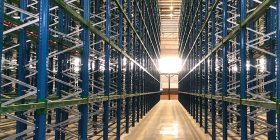

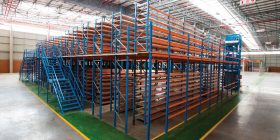


When it comes to choosing between flow racking vs. warehouse shelving, the main differences lie in how each system handles movement, storage, and daily access to items. Flow racking uses a gravity-based design where products automatically slide forward for easy picking. This setup is ideal for fast-moving stock—especially goods with expiry dates—because it follows a First In, First Out pattern. That’s one of the key flow racking differences: efficient inventory rotation with minimal manual effort.
Every item is directly accessible with warehouse shelving. It’s great for storing products of different shapes and sizes, especially when rotation isn’t a top priority. One of the most useful warehouse shelving differences is the system’s flexibility—it’s easy to adjust or expand as your needs change.
How Flow Racking vs. Warehouse Shelving Impacts Efficiency
Comparing flow racking vs. warehouse shelving also brings up issues of speed and space. Flow racking is built for volume. It increases efficiency because items constantly move to the front, reducing the time workers spend retrieving stock. Among the most helpful flow racking differences is its ability to store large amounts in a smaller footprint.
Warehouse shelving focuses more on accessibility. It might take up more space, but that’s the trade-off for having easy reach to every item, anytime. Think about this when considering warehouse shelving differences—it suits environments where stock varies or changes often.
For useful warehouse shelving tips, read: Making the most effective use of your Warehouse Shelving.
Choosing Between Flow Racking vs. Warehouse Shelving Systems
So which is better: flow racking vs. warehouse shelving? That depends on what your day-to-day looks like. If you’re handling bulk items with high turnover, flow racking supports faster movement and better stock rotation. The most noticeable flow racking differences make it perfect for perishables and fast-shipping goods.
But if your inventory is more mixed and staff need to pick smaller items quickly, warehouse shelving wins out. The real warehouse shelving differences shine when flexibility and easy access are key. Before making a choice, take a close look at how your products move and how your team works. That’ll help you match the right system to your needs.
Picking the Right Fit: Comparing Flow Racking and Warehouse Shelving
When it comes to inventory control and organisation, selecting the most suitable system for your warehouse is essential. The two main options, flow racking and warehouse shelving, each have unique advantages. Your choice largely depends on your stock movement and the kind of items you have in storage.
Optimal Utility: Flow Racking
Flow racking comes out on top when you deal with fast-moving goods, particularly items with expiry dates like foodstuffs or pharmaceuticals. This system operates on a first-in, first-out schedule, ensuring that the older stock is picked first. This live storage racking system helps prevent expired products from accumulating at the back of your stacks. Key benefits of flow racking include:
- Efficient for processing rapidly moving goods,
- Saves storage space with deeper lanes,
- Reduced labor as forklifts don’t have to travel far.
When to Choose Warehouse Shelving
On the other hand, warehouse shelving offers easy access to individual products, making it great for less time-sensitive and smaller goods. It also presents more layout flexibility particularly when there are frequent changes to inventory sizes or quantities. However, this flexibility often comes at a price – lower storage density and increased pick time due to scattered locations.
Efficiency: Flow Racking vs. Warehouse Shelving
In comparing flow racking vs. warehouse shelving, each system has its unique strengths. High-volume management and tight inventory rotation favor flow racking for efficiency, while more general storage where access and variety are paramount, shelving offers a significant value.
Knowing how each mechanism functions can aid you in making the right choice for your warehousing needs. The right setup ensures smoother operations, fewer mistakes, and a more efficient warehouse operation overall.
Flow Racking vs. Warehouse Shelving: The Ultimate Guide to Flexibility & Adjustability
When considering types of storage systems, flow racking and warehouse shelving often come up. Let’s examine how each matches up in terms of flexibility, adaptability, and practical use cases.
Flexibility
When looking at flow racking vs. warehouse shelving, shelving is the more flexible option for businesses that store a wide range of products.
Warehouse Shelving: An Adaptable Solution
Warehouse shelves offer:
- Easy access to every item
- The ability to manage different stock shapes
- More friendly for small order sizes
- Ideal for frequent inventory updates
Flow Racking: A Specialised System
Flow racking, built for fast-moving, similarly shaped items, follows a strict sequence—great for items with expiry dates but less so for inconsistent sales patterns.
Adjustability
Next, let’s compare the adjustability of these systems.
Warehouse Shelving: Adjustable and Dynamic
Warehouse shelving is easy to:
- Move and modify
- Update to meet changing needs
- Ideal for seasonal products or new inventory formats
Flow Racking: Fixed and Steady
The more fixed design of flow racking is less adaptable to changes in stock variety or fluctuations in movement.
Practical Use Cases
Lastly, the choice between flow racking vs. warehouse shelving primarily depends on the variety of items and the frequency of their access.
Warehouse Shelving: Versatile and Economical
Shelving stands out in:
- Box storage
- Mixed packaging
- Simple, direct access
- Economical and flexible
Flow Racking: Efficient for Repeat Stock
Flow Racking, on the other hand:
- Moves products forward automatically
- Efficient for repeat stock
- Less manageable for variable goods
In conclusion, if simplicity, access to mixed SKUs, and adaptability are valued, warehouse shelving is likely the stronger choice. Make sure to explore all options and pick the one best suited to your operational pace and product variety.
Unlock the Potential of Your Warehouse Space
Choosing the right system between flow racking and warehouse shelving can significantly impact your operational efficiency and inventory management. Align your choice with your business model, product type, and pace of inventory turnover to optimise your workflow and maximise space utilisation. Don’t leave your storage strategy to chance—take the next step in refining your warehouse processes. For tailored advice and bespoke solutions that meet your specific needs, reach out to the experts. Contact Krost Shelving & Racking today to explore your options and enhance your storage capabilities.