
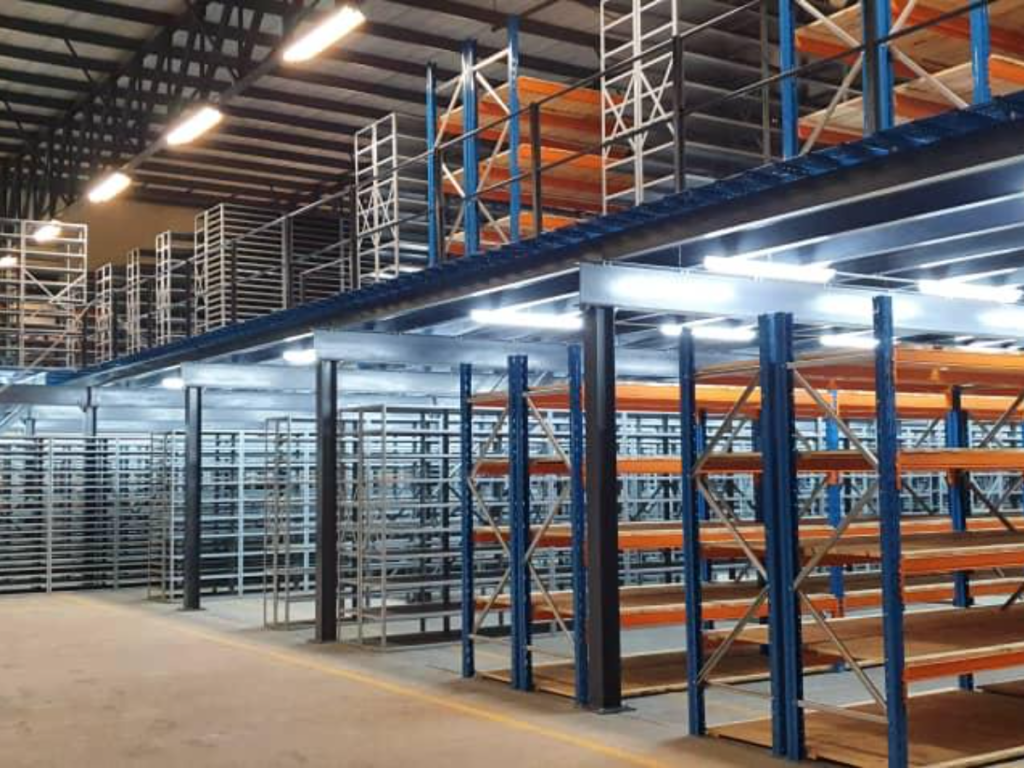
When it comes to optimising warehouse storage, choosing between bolted shelving and selective storage racking is a critical decision that impacts efficiency, accessibility, and long-term operational success. Both systems have unique strengths, but the right choice depends on your inventory type, workflow, and available space. This guide explores the difference between bolted shelving and selective storage racking, helping you make an informed decision to streamline your operations. Whether you manage a retail storeroom or a high-volume warehouse, understanding these systems ensures you maximise space and productivity.
What Is Bolted Shelving?
Bolted shelving is a sturdy, fixed storage solution designed for manual picking and organising smaller, lighter items. As a retail business with storage needs, buying bolted shelving is ideal for environments where inventory consists of boxes, bins, or individual items that don’t require heavy machinery to access.
Key Features of Bolted Shelving
- Manual Access: Perfect for hand-picking small items like tools, parts, or retail stock.
- Compact Design: Suits narrow spaces due to its vertical stacking and minimal footprint.
- Stability: Fixed shelves provide a reliable, long-lasting setup for consistent layouts.
- Cost-Effective: Lower upfront costs make it appealing for smaller operations or stable inventory needs.
Best Use Cases for Bolted Shelving
- Retail storerooms with labelled bins or slow-moving stock.
- Archives or offices needing organised storage for documents or small items.
- Small warehouses with limited floor space and lighter loads.
Comparing shelving solutions? Read: Rivet vs Bolted Shelving: Best Warehouse Storage
What Is Selective Storage Racking?
Non-pallet or selective storage racking is designed for high-volume warehouses handling palletised goods. It allows forklifts to access each pallet directly, prioritising speed and flexibility in fast-paced environments.
Key Features of Selective Storage Racking
- Forklift Accessibility: Wide aisles enable quick pallet retrieval using machinery.
- Flexibility: Easily reconfigured to accommodate changing inventory or growth.
- High Capacity: Supports heavier loads, ideal for bulk items or large pallets.
- Speed: Streamlines operations in warehouses with frequent stock turnover.
Best Use Cases for Selective Storage Racking
- Large warehouses with palletised goods and high turnover rates.
- Manufacturing or logistics facilities requiring rapid stock movement.
- Operations with varied or expanding inventory needs.
Bolted Shelving vs. Selective Storage Racking: A Detailed Comparison
When comparing bolted shelving and selective storage racking, several factors influence the decision. Below, we break down the key differences to help you choose the best system for your warehouse.
1. Accessibility and Speed
- Bolted Shelving: Suited for manual picking, which may be slower but offers precision for smaller items. Workers can easily access labelled bins or boxes, ensuring control and accuracy in inventory management.
- Selective Storage Racking: Optimised for speed, allowing forklifts to retrieve entire pallets quickly. This is critical for high-volume operations where efficiency is paramount.
Which is better? Choose bolted shelving for meticulous, hand-picked inventory tasks. Opt for selective racking if your operation relies on machinery for rapid stock movement.
2. Space Utilisation
- Bolted Shelving: Excels in compact spaces due to its vertical design and narrow footprint. It’s ideal for backrooms or smaller warehouses with limited square footage.
- Selective Storage Racking: Requires wider aisles to accommodate forklifts, which may reduce overall storage density but supports larger, heavier loads.
Which is better? Bolted shelving maximises space in smaller areas, while selective racking suits larger warehouses with room for wider aisles.
3. Load Capacity
- Bolted Shelving: Best for light to medium loads, such as boxed goods or small parts. It’s not designed for heavy pallets or bulk storage.
- Selective Storage Racking: Built to handle heavy palletised loads, making it suitable for industries with large or bulky inventory.
Which is better? Bolted shelving is sufficient for lighter stock, while selective racking is essential for heavy-duty storage.
4. Flexibility and Scalability
- Bolted Shelving: Fixed and stable, it’s less adaptable to changing inventory needs. Once installed, reconfiguration is time-consuming.
- Selective Storage Racking: Highly flexible, allowing easy adjustments as stock or business needs evolve.
Which is better? Bolted shelving suits stable, predictable inventory, while selective racking supports dynamic, growing operations.
5. Cost Considerations
- Bolted Shelving: Generally has a lower upfront cost, making it attractive for small businesses or operations with consistent stock.
- Selective Storage Racking: Higher initial investment but offers long-term value for fast-moving, scalable warehouses due to its adaptability.
Which is better? Bolted shelving is cost-effective for smaller setups, while selective racking justifies its cost in high-throughput environments.
How to Choose Between Bolted Shelving and Selective Storage Racking
To decide between bolted shelving vs. selective storage racking, consider your warehouse’s daily operations and long-term goals. Here are key questions to guide your decision:
- What type of inventory do you manage? If you handle small, hand-picked items, bolted shelving provides clarity and order. For palletised goods moved by forklifts, selective racking is the better choice.
- How much space is available? Bolted shelving is ideal for compact areas, while selective racking requires wider aisles for efficient machinery use.
- What’s your budget? Bolted shelving offers lower upfront costs, but selective racking may provide better value for growing operations.
- How often does your inventory change? Stable stock benefits from bolted shelving’s fixed structure, while selective racking accommodates frequent changes or expansion.
- What’s your operational speed? If speed is critical, selective racking’s forklift compatibility ensures faster stock movement.
Pro Tip: Plan for the Future
When evaluating bolted shelving and selective storage racking compared, think beyond your current needs. A small operation may start with bolted shelving but transition to selective racking as inventory grows or speed becomes a priority. Consulting with a storage solutions expert, like Krost Shelving & Racking, can help you design a system that evolves with your business.
Common Questions About Bolted Shelving vs. Selective Storage Racking
What’s the Main Difference Between Bolted Shelving and Selective Storage Racking?
The primary difference lies in accessibility and load capacity. Bolted shelving is designed for manual picking of smaller, lighter items, while selective storage racking supports heavy pallets and forklift access for faster operations.
Which System Is More Cost-Effective?
Bolted shelving typically has a lower initial cost, making it suitable for small businesses or stable inventory. Selective racking, while more expensive upfront, offers long-term savings for high-volume or scalable operations.
Can I Use Both Systems in One Warehouse?
Yes, many warehouses combine bolted shelving for small-item storage and selective racking for palletised goods. This hybrid approach optimises space and efficiency based on inventory diversity.
How Do I Ensure Safety with These Systems?
Both systems require proper installation and maintenance. Bolted shelving should be securely anchored to prevent tipping, while selective racking needs regular inspections to ensure structural integrity under heavy loads. Refer to HSE guidelines for warehouse safety standards.
Why Your Storage Choice Matters
The difference between bolted shelving and selective storage racking directly impacts your warehouse’s efficiency, safety, and scalability. Choosing the wrong system can lead to cluttered spaces, slow operations, or unnecessary costs. By aligning your storage solution with your inventory type, space constraints, and operational goals, you can create a streamlined workflow that supports your business now and in the future.
For example, retail storerooms benefit from bolted shelving’s compact, organised design, while logistics hubs thrive with selective racking’s speed and flexibility. Understanding these systems’ strengths ensures you invest in a solution that enhances productivity and adapts to your needs.
Conclusion: Make the Right Choice for Your Warehouse
Choosing between bolted shelving vs. selective storage racking comes down to understanding your warehouse’s unique needs. Bolted shelving offers stability and cost-effectiveness for smaller, hand-picked items, while selective storage racking delivers speed and scalability for palletised goods in fast-paced environments. By evaluating your inventory, space, budget, and long-term goals, you can select a system that optimises your operations.
Ready to transform your warehouse? Contact Krost Shelving & Racking for expert guidance on tailoring the perfect storage solution. Whether you need the compact reliability of bolted shelving or the flexible efficiency of selective storage racking, their team can help you maximise your space and drive productivity. Get in touch today to start building a smarter, more efficient warehouse!

