Understanding heavy-duty vs. light-duty racking is fundamental when conversing about storage solutions. Each one has its purpose and selecting the right one can drastically influence your space’s daily functioning. We regularly guide our customers in recognising the key features to make the appropriate decision. Let’s explore each solution further to help you identify the right fit for your warehouse.
Heavy-Duty vs. Light-Duty Racking: Factors to Consider
Key Differences Between Heavy-Duty & Light-Duty Racking
One cardinal consideration that differentiates heavy-duty from light-duty racking is weight.
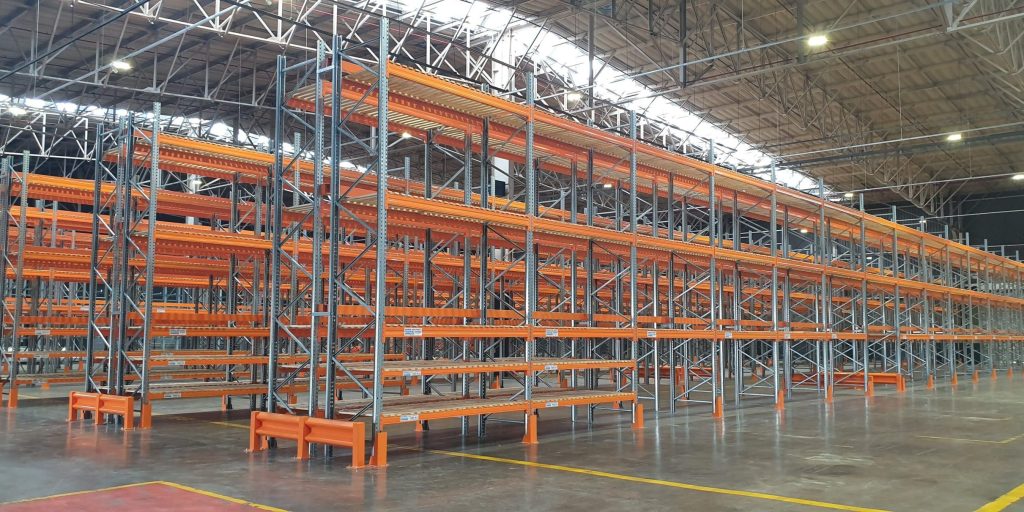
Heavy-Duty Racking
This storage type is perfect for warehouses, factories, or workshops that deal with large, bulky equipment or stacked pallets. Made from thicker, hot-rolled steel, its design prioritises strength and durability, thus ideal for high-volume use.
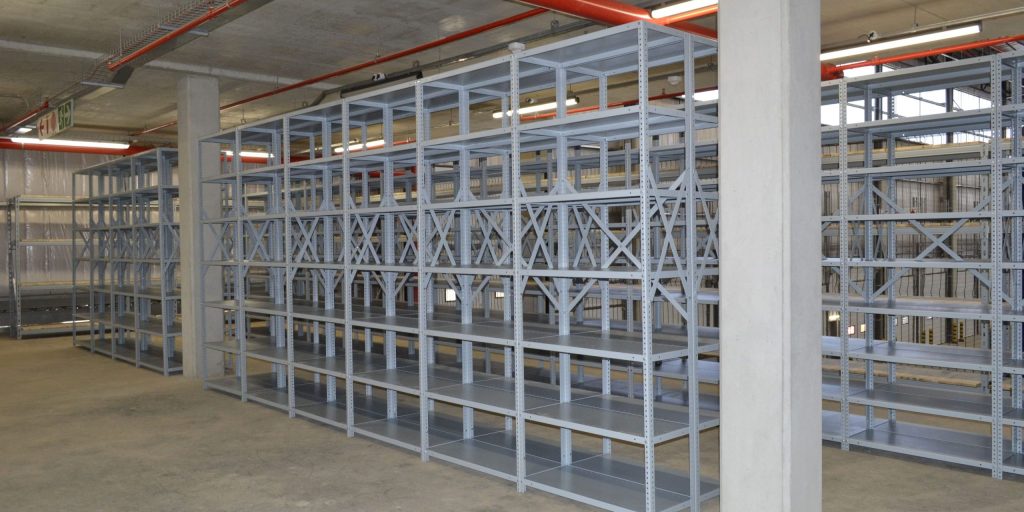
Light-Duty Racking
Conversely, light-duty racks are better suited for smaller spaces like retail storerooms or offices. This system is lighter in terms of weight and cost, and facilitates rearrangement. Made from cold-rolled steel, it’s highly recommended for lighter items such as tools, electronics, and rapidly changing stock.
Making The Right Choice
The choice essentially depends on what you’re storing and how frequently it’s accessed. Heavy-duty racking is usually the preferred option if you’re dealing with large-scale storage. But if your stock is relatively smaller or lighter in weight, and you require flexibility in movement, light-duty racking fits best.
Take into account your space, daily operational flow, and future growth when weighing between heavy-duty vs. light-duty racking. Even though both types are reliable, they cater to varying needs.
The Noteworthy Differences
It is crucial to acknowledge the prominent differences between heavy-duty and light-duty racking. While heavy-duty options occupy more floor space, they can withstand heavier loads without buckling or toppling over. On the other hand, light-duty racks save space and simplify reconfiguration, but they cannot support the same load.
In our journey at Krost Shelving & Racking, we have always strived to help our customers find the perfect match. Choosing the correct setup can dramatically enhance your operation’s smoothness and safety, whether it’s heavy-duty or light-duty racking you’re in search of. Instead of guessing, let your everyday storage needs drive the choice.
Understanding Heavy-Duty vs. Light-Duty Racking in Everyday Use
The first thing to consider is what kind of items you’re storing and how regularly your stock rotates when deciding between heavy-duty vs. light-duty racking. Racking isn’t simply about holding things up because it also shapes how we move, store and access items daily. Heavy-duty racking offers the strength and support you need if you’re handling bulky goods, like machinery parts or palletised inventory. Light-duty racking, on the other hand, works well when the items are easy to lift and spaces are tighter.
Key Differences in Heavy-Duty vs. Light-Duty Racking
The most noticeable heavy-duty and light-duty racking differences start with weight capacity. Heavy-duty systems are built for high loads and frequent use. They’re mainly made with stronger materials and suit warehouses with high stock volume or industrial tools. Light-duty options are better suited for smaller items like cartons, office supplies or retail products that don’t weigh much. This is also where space efficiency matters: light-duty units take up less room and are easier to install.
We find that one of the biggest concerns clients have is whether to go for heavy-duty or light-duty racking when they’re unsure about future needs. Over-engineering can drive up costs unnecessarily, while underestimating can result in damaged racks or unsafe conditions. That’s why understanding the load type and frequency of access is more important than just what fits the space.
You can learn more about costs in our SA Guide To Light to Heavy-Duty Racking Prices.
When to Choose Heavy-Duty vs. Light-Duty Racking
Choosing between heavy-duty vs. light-duty racking comes down to purpose. Go with heavy-duty if your warehouse sees regular movement of stocked pallets or heavier equipment. The systems are more robust and need less maintenance, especially over long periods. Light-duty racking is a practical and budget-friendly choice if you’re storing seasonal products, lightweight boxes, or inventory that’s easy to handle.
Some warehouses may benefit from mixed use. Not everything has to be one or the other. Understanding heavy-duty and light-duty racking differences helps you specialise each section to your actual operations. In a small storeroom, using light-duty makes more sense, while the back-of-house logistics area might demand heavy-duty frames.
At Krost Shelving & Racking, we’ve helped many clients make smart decisions by phasing their storage, putting heavy-duty or light-duty racking where it truly works best.
How to Compare Heavy-Duty vs. Light-Duty Racking in Practice
Thinking about how often items move and how they’re handled helps highlight the heavy-duty and light-duty racking differences. Strength becomes essential if forklifts are zipping around every day. That’s why, for high-traffic facilities, heavy-duty or light-duty racking decisions often favour heavy-duty for the extra toughness.
By contrast, light-duty racking suits areas with smaller products, slower turnover or manual handling. Smaller-scale operations like online retail or office storerooms may find it’s the right balance of space-saving and efficiency. It’s also easier to shift around or adjust as operations change.
Heavy-Duty vs. Light-Duty Racking: What to Check Before You Choose
Before making a decision, check the size of your floor space, the type of stock you store and how it’s accessed. Heavy-duty and light-duty racking differences can be seen in how each system deals with layout limits and weight strain. A compact space with low foot traffic might benefit more from a clever light-duty setup. But when storage needs grow or the product load gets extreme, heavy-duty becomes a better investment.
Ultimately, deciding between heavy-duty or light-duty racking is about matching what your workday looks like with the right storage solution. At Krost Shelving & Racking, we guide you through each step to find a system that works now and grows with your needs.
Discover the Ideal Racking System for Your Needs
Choosing the right racking system can transform the efficiency and safety of your workspace. Knowing your specific needs is crucial, whether your operation requires the strength of heavy-duty racking or the flexibility of a light-duty solution. At Krost Shelving & Racking, we are experts at helping clients make the decisions for their storage requirements. Our team is ready to assist you in finding the perfect balance between resilience and adaptability, ensuring your racking system evolves with your business. Don’t leave it to chance; let’s find the perfect racking solution together. Contact us today and explore your options for an optimised storage system.