
Cantilever Racking vs. Bolted Shelving: Key Distinguishing Factors
When comparing cantilever racking vs. bolted shelving, the differences are more than just structural—they directly affect how efficiently your space works.
Cantilever Racking: Flexibility for Uneven Items
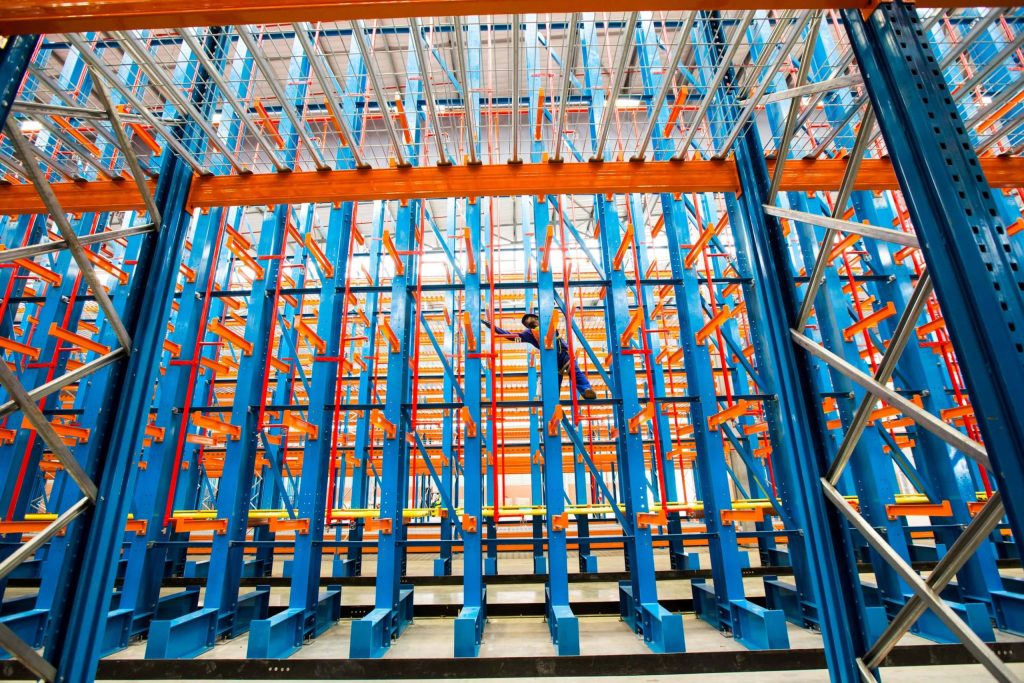
If your stock includes long, awkward items like timber, steel pipes, or large furniture, cantilever racking provides the flexibility to store them safely. Its open-front design allows for easy access without vertical posts getting in the way, making it ideal for operations using forklifts or overhead cranes.
Bolted Shelving: Strength for Heavy Loads
Bolted shelving, on the other hand, is all about strength and structure. Built using bolts, it sets up as a rigid unit that supports heavy, compact, or boxed items. While it’s less flexible than cantilever racking, its solid frame is suited for consistent inventory layouts where items don’t change often.
Delving Deeper: Understanding Key Differences
Adjustability as a Key Differentiator
Looking at cantilever racking vs. bolted shelving side by side, adjustability is a huge differentiating factor. Cantilever arms can be shifted to match the size of the item, making storage layouts easy to update, unlike the fixed nature of bolted shelving—it’s more time-consuming to reconfigure, but incredibly stable once in place.
Optimising Storage Space Usage
Another factor to consider is how the systems use space. Cantilever setups maximise vertical space and allow direct loading from the front, while bolted shelving creates consistent compartments best suited for standard-sized items.
How to Choose Between Cantilever Racking vs. Bolted Shelving
Deciding on cantilever racking vs. bolted shelving depends much on what you’re storing and how your space operates. Cantilever racking supports items that don’t fit traditional shelves, and its ease of access helps reduce handling time. On the other hand, for heavy boxes or archived goods that stay put, bolted shelving provides long-lasting support.
Remember, cantilever racking provides flexibility, while bolted shelving gives you structure and strength. Therefore, choosing the right system depends on your item types, frequency of layout adjustments, and what optimises your warehouse flow.
Making the Right Choice: Cantilever Racking vs. Bolted Shelving
Deciding on cantilever racking vs. bolted shelving starts with knowing how your goods are shaped and how often things change in your storage space. Long or uneven items like timber, pipes, or metal beams are tricky to store on standard shelves—and that’s where cantilever racking shines. Its open, arm-based design makes it easy for forklifts to retrieve these items without hassle.
Bolted shelving, in contrast, works well for boxes, bins, or tools—anything uniform and consistent. Once set up, it’s extremely solid, but adjustments later can take time due to the need for tools. When comparing cantilever racking vs. bolted shelving, this difference in flexibility stands out. Cantilever systems are ready for frequent updates, while bolted shelves are designed to stay put.
Key Cantilever Racking Differences You Should Know
One of the main cantilever racking differences lies in its layout. Unlike traditional systems, this design uses arms instead of shelves, allowing for more vertical freedom. Businesses that need to store goods of different shapes and lengths benefit most here. With adjustable arms and the option to store on both sides, cantilever solutions make use of high ceilings and open pathways.
When considering cantilever racking vs. bolted shelving, it’s also important to think about how each affects access. One of the advantages of cantilever systems is that they allow for quicker movement and easier loading thanks to their open fronts, while bolted shelving structures can be limiting in fast-changing environments.
How Bolted Shelving Differences Stack Up
Bolted shelving differences mainly come down to structure and strength. With solid panels and metal framing joined by bolts, it’s a go-to for static inventory. What’s more, the shelves can usually bear heavier loads—making them great for dense or high-volume storage.
That said, bolted systems don’t offer the same level of quick adaptability. Changes to shelf height or configuration take time and effort. In the debate of cantilever racking vs. bolted shelving, it’s clear: bolted works best for setups that rarely need to shift, while cantilever supports ongoing change.
Choosing Between Cantilever Racking vs. Bolted Shelving
Warehouses with high ceilings and varied stock will see the benefits of cantilever racking fast. It helps maximise vertical space and keep movement efficient. In contrast, if your items are standard-sized, heavy, and need stable support, bolted shelving might be the better match.
Understanding cantilever racking differences and bolted shelving differences can help you choose a setup that supports your daily flow—whether you’re stacking boxes or lifting pipes.
Comparing Cantilever Racking and Bolted Shelving: What Fits Your Space Best?
Understanding cantilever racking vs. bolted shelving comes down to how your warehouse operates and what kind of items you need to store. Cantilever racking makes handling much easier for long, oversized, or oddly shaped products like timber, piping, or furniture. With its open design, forklifts can glide in and out without fuss, and adjustable arms mean you won’t have to reconfigure your layout constantly as stock changes.
On the other hand, if your inventory includes boxes, hardware, or tools you need stacked securely, then bolted shelving storage might be a better fit. It’s designed to hold heavy weight with reliable support, great for dense goods that stay put all day. The structure is solid and stable—ideal for high-use environments that need strong, repeatable storage.
Key Storage Needs in Cantilever Racking vs. Bolted Shelving
When comparing cantilever racking vs. bolted shelving, it helps to focus on the everyday use of your space. Cantilever racks are easier to adjust as your product profiles change. If your business needs to shift quickly with demand, that flexibility pays off fast. Bolted shelving is less flexible in design but more rigid in function—great for stable, long-term layouts where storage rarely changes.
Cantilever racking differences often come down to their adaptability and how they maximise vertical space, which is perfect if your warehouse uses forklifts or vertical lifters. Bolted shelving differences include its boosted frame strength and its ability to stack more traditional loads confidently, even in tight floor plans.
Growing With Your Storage: Cantilever Racking and Bolted Shelving Differences for the Long Run
Making the right choice between cantilever racking vs. bolted shelving isn’t just about today—it’s about what’s ahead. As your business grows, so will your storage demands. Cantilever’s adaptable layout helps you respond to change fast without expensive overhauls. Bolted shelving stays firm through heavy use but might take longer to adjust if your inventory needs shift over time.
Recognizing the cantilever racking differences and bolted shelving differences not only saves space but also supports a more streamlined day-to-day workflow. Whether you’re storing lumber or ladders, bolts or boxes, find the fit that works—and grow from there.
Ready to Transform Your Storage Solutions?
Choosing between cantilever racking and bolted shelving means understanding your unique storage needs and operational dynamics. Whether you require the flexibility and access of cantilever systems for irregular-shaped items or the strength and stability of bolted shelving for uniform loads, finding the right fit is crucial for optimising efficiency. For expert guidance on making the best choice for your space, reach out to the professionals at Krost Shelving & Racking. They’re ready to support your journey towards a more streamlined and effective storage setup. Get in touch with Krost Shelving & Racking today and take the first step towards transforming your warehouse efficiency!

