
Key points summary
- Structural mezzanine floors and rack-supported mezzanines solve different space problems.
- Structural mezzanine floors suit flexible, standalone upper-level use.
- Rack-supported mezzanines combine storage racking and elevated floor space in one system.
- Load requirements, access, future expansion, and layout flexibility should guide the decision.
- Rack-supported mezzanines are often quicker to assemble and relocate.
- The right solution depends on how your business uses space today and how it plans to grow.
Introduction
When a business starts running out of floor space, moving premises is not always the best answer. In many cases, the smarter option is to use the height you already have.
That is where mezzanine flooring becomes valuable. Krost describes industrial mezzanine floors as a practical way to maximise usable building height and create extra space for storage, offices, fabrication, or packing areas. But not every mezzanine system works in the same way. For many South African businesses, the real decision comes down to choosing between a structural mezzanine floor and a rack-supported mezzanine.
How to choose between structural mezzanine floor vs rack supported mezzanine
The best choice starts with one question: do you need a standalone upper floor, or do you want your storage racking to form part of the structure itself?
A structural mezzanine floor is a more independent floor system. Krost’s structural mezzanine page highlights factors such as floor size, number of levels, slab condition, intended use, load requirements, access needs, obstructions, fireproofing, utilities, and building control as key planning considerations. That makes this option better suited to businesses that need broad flexibility in how the upper level is used.
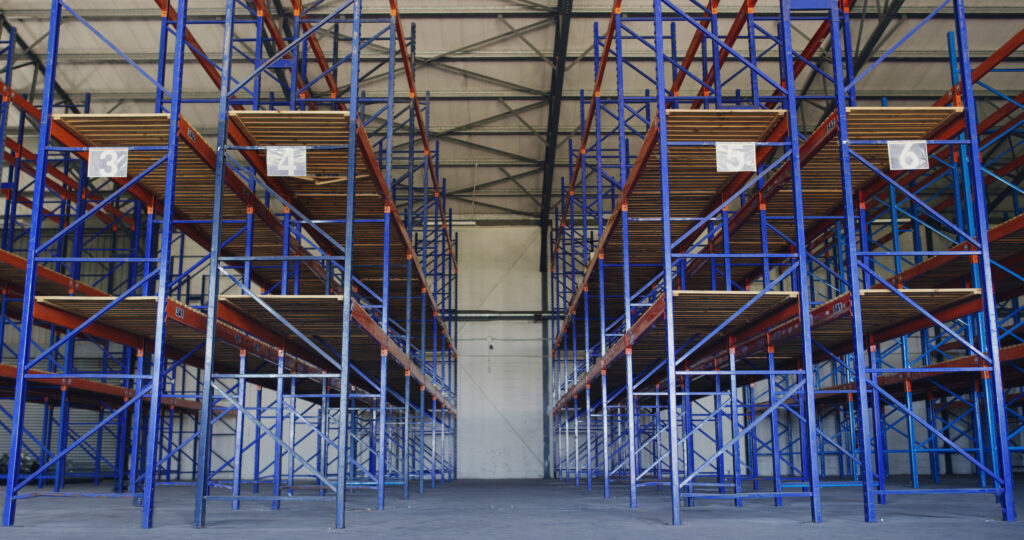
A rack-supported mezzanine, by contrast, is built around the racking itself. Krost presents it as a cost-effective way to create extra space on top of pallet racking while using the vertical height of the building more efficiently. This makes it a strong fit when storage density is the priority.
When a structural mezzanine floor makes more sense
A structural mezzanine floor is often the better option when the upper level needs to support uses beyond shelving alone.
For example, it may suit businesses that need:
- office space above warehouse operations
- packing or assembly areas
- flexible work zones that may change over time
- layouts not tied directly to a racking footprint
Krost’s structural mezzanine content focuses heavily on specification, access, load requirements, and site constraints, which suggests a more customised and standalone engineering approach. If your business needs a floor system shaped around operations first, rather than around pallet storage, a structural mezzanine is usually the stronger option.
Why a rack supported mezzanine floor works well for storage-heavy operations
A rack supported mezzanine floor is usually the more practical choice when your main goal is to increase storage capacity without wasting overhead space.
Krost highlights several benefits of this system, including:
- quick assembly and relocation
- cost-effective space expansion
- future-ready design
- vertical space optimisation
- custom-engineered layouts
- additional storage or office space on the top tier
This type of mezzanine is especially useful when pallet racking is already central to the operation. Instead of installing storage and an elevated floor separately, the business can integrate both functions into one system. That can make better use of footprint and budget in warehouse environments where stockholding is the main driver.
What to consider for mezzanine flooring South Africa projects
For mezzanine flooring South Africa projects, the right decision depends on practical site and operational questions, not just price.
Key checks include:
- what the upper level will be used for
- required load-bearing capacity
- condition of the slab or base
- staircase or lift access requirements
- future expansion plans
- fire-rated requirements and safety features
Krost notes that mezzanine systems can be designed with different load-bearing capacities, fire-rated options, handrails, and stairways to suit building code and safety needs. It also states that structural mezzanine pricing depends on variables such as levels, size, intended use, slab strength, obstructions, and compliance requirements.
How a warehouse mezzanine floor choice affects long-term flexibility
A warehouse mezzanine floor is not just about creating extra room now. It also affects how easily your site can adapt later.
If your operation expects frequent changes, reconfiguration, or possible relocation, a rack-supported mezzanine may offer an advantage because Krost describes it as easy to assemble, dismantle, and move.
If the business needs a more permanent floor area for mixed use, heavier activities, or a broader span of functions, a structural mezzanine floor may offer better long-term flexibility because it is planned around the floor’s intended use and structural demands from the start.
Why industrial mezzanine floors should be chosen around function, not just cost
Cost matters, but it should not be the only factor. Krost notes that mezzanine floors are generally a cost-effective way to increase floor space compared with relocating, but that the final budget depends on the floor specification and project requirements.
That is why the better question is not “Which is cheaper?” but “Which system fits the operation better?”
For some businesses, the answer will be a structural mezzanine floor because they need a custom upper floor for offices, work areas, or mixed use. For others, the answer will be a rack-supported mezzanine because they want storage density, speed of installation, and efficient use of pallet racking. The right choice comes from matching the system to the way the site actually works.
Conclusion
Both mezzanine types can help South African businesses unlock more usable space without moving to a larger premises. The difference is in how that space is created and what it needs to support.
A structural mezzanine floor is usually better when you need a standalone, flexible upper level shaped around operational use. A rack-supported mezzanine is often the smarter option when storage is the main priority and you want to combine racking with elevated floor space in one efficient system.
For most businesses, the best decision comes down to layout, load, access, and growth plans. Get those right, and the mezzanine becomes more than extra space. It becomes a better use of the building you already have.
FAQs
What is the difference between a structural mezzanine floor and a rack-supported mezzanine?
A structural mezzanine floor is a more standalone elevated floor system, while a rack-supported mezzanine uses the racking itself as part of the support structure.
When should I choose a structural mezzanine floor?
Choose a structural mezzanine floor when you need flexible upper-level space for uses like offices, packing, fabrication, or mixed operational areas.
When is a rack-supported mezzanine the better option?
It is often better for storage-heavy operations that want to maximise vertical space and create extra capacity above pallet racking.
Are rack-supported mezzanines easier to relocate?
Yes. Krost states that rack-supported mezzanines are easy to assemble, dismantle, and move to a new location.
What affects mezzanine floor cost in South Africa?
Krost says cost depends on factors such as number of levels, floor size, slab condition, load requirements, access, obstructions, fireproofing, utilities, and compliance requirements.
Can mezzanine floors be designed for future growth?
Yes. Krost specifically notes that rack-supported mezzanine floors can be designed and installed with future growth in mind.

